Soffit & Fascia Repair Near Salt Lake City
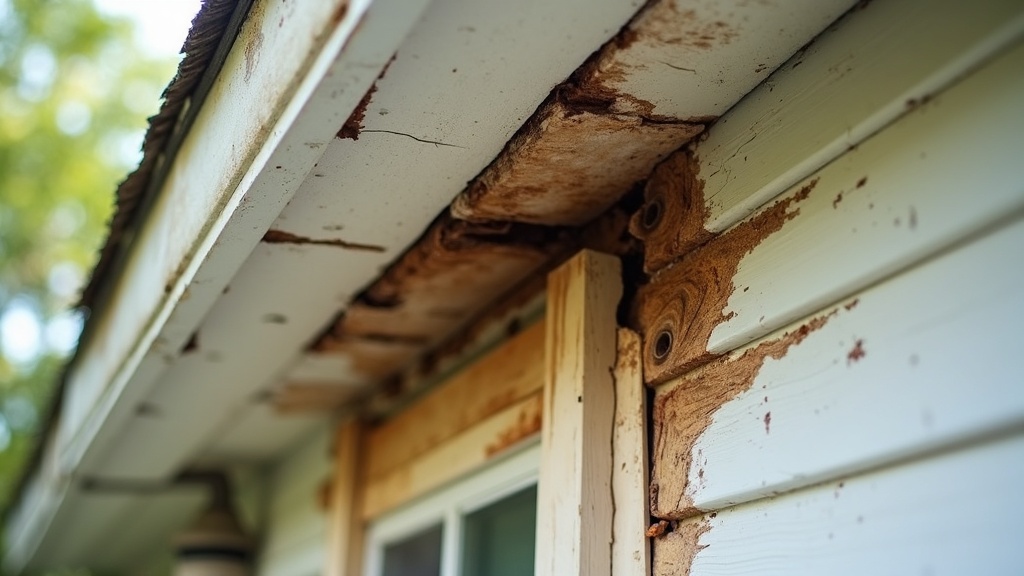
Salt Lake City's semi-arid, high-desert, high-altitude climate puts soffit and fascia systems through a combination of stresses that neither humid nor coastal cities experience — intense high-elevation UV radiation that degrades paint and vinyl far faster than at sea level, dramatic day-to-night and season-to-season freeze-thaw cycling, and heavy lake-effect snow loads driven off the Great Salt Lake. Soffit Fascia Repair serves Salt Lake City homeowners across all neighborhoods.
The Avenues and Sugar House carry the city's oldest housing — 1890s through 1930s Victorians, bungalows, and cottages stepping up the benches below the Wasatch Front, with original wood fascia that has spent a century under some of the most intense UV exposure in the country. At Salt Lake's 4,200-plus-foot elevation, ultraviolet radiation is markedly stronger than at sea level, and it breaks down paint binders, chalks and embrittles vinyl soffit, and dries out wood far faster than a low-altitude climate would. Holladay, Millcreek, and Sandy on the east bench sit directly in the path of the heaviest lake-effect snow, where accumulated snow load and the resulting freeze-thaw cycling at the eaves add mechanical stress on top of the UV degradation. The combination of a dry, sun-intense environment and a hard mountain winter makes Salt Lake City eave systems age in a way that surprises homeowners who assume a dry climate is gentle on exterior trim.
What Salt Lake City Homeowners Actually Find on Inspection
UV degradation is the defining Salt Lake City problem and the one homeowners most underestimate — at high elevation the sun does not just fade color, it chemically breaks down the materials. Vinyl soffit chalks, grows brittle, and cracks at fastener points years earlier than the same product would at sea level; paint on wood fascia loses its binder and fails prematurely, exposing bare wood; and even aluminum fascia's finish oxidizes faster. The south and west-facing elevations of homes in The Avenues and Sugar House show this first, with brittle, faded, and cracking trim while shaded north sides remain comparatively intact.
Snow load and freeze-thaw on the east bench is the mechanical counterpart. Holladay, Millcreek, and Sandy catch the Wasatch's heavy lake-effect snow, and the weight of accumulated snow and ice at the eaves stresses fascia and gutter attachment while the repeated freeze-thaw cycling — Salt Lake can swing above and below freezing many times in a single stretch — works open every seam and fastener hole the UV has already embrittled. The two forces compound: UV weakens and cracks the material, then freeze-thaw and snow load exploit those cracks. Older Avenues homes with original wood fascia face the added challenge that a century of dry-climate wood movement has opened end-cut checks that admit the winter's meltwater.
Neighborhoods We Serve in Salt Lake City
Soffit and fascia contractors serving Salt Lake City are available throughout the metro area and surrounding communities, including:
Beyond these neighborhoods, contractors cover the broader Salt Lake City metro area. If you're just outside the city limits in an unincorporated area of UT, call to confirm coverage. most Mountain West contractors extend their service area by 15–20 miles.
Soffit Fascia Repair also serves other UT communities, including Butte, Idaho Falls, Helena, Denver. Browse all our near-me service areas.
Services Available in Salt Lake City, Utah
- Soffit Repair. spot fixes for damaged, sagging, or pest-damaged soffit panels
- Fascia Repair. fix rotted boards, address the water source, re-hang gutters correctly
- Soffit Replacement. full tear-off and new installation when the damage is system-wide
- Fascia Replacement. new boards with aluminum capping and drip edge
- Gutter Installation. seamless aluminum gutters sized for Salt Lake City's precipitation
What to Expect From the Free Inspection
When you call (855) 606-2187 and describe your situation, a Soffit Fascia Repair professional will schedule a free on-site inspection at your Salt Lake City home, typically within 24–48 hours. The inspector will:
- Examine the soffit, fascia, and gutter condition from the ground and from a ladder at the affected areas
- Identify the root cause of damage. not just the visible symptoms
- Document the damage with photos for your records
- Provide a written, itemized estimate before leaving the property
- Explain repair options clearly, including what happens if you delay
There is no obligation to book. The inspection and estimate are completely free, regardless of whether you hire the contractor.
Soffit & Fascia Repair Cost in Salt Lake City
Salt Lake City pricing runs 5–10% above the national benchmark, reflecting the Mountain West labor market and the metro's sustained growth. UV-driven premature vinyl and paint failure means replacement cycles here are shorter than in milder climates, and homeowners choosing new material benefit from UV-stabilized products rated for high-elevation exposure. Scheduling is strongly seasonal — the snow-and-freeze months limit exterior eave work, so the late-spring-through-fall window is peak demand and booking ahead of it secures better availability.
Typical ranges for Salt Lake City and the surrounding Mountain West area:
| Service | Typical Range in Salt Lake City |
|---|---|
| Soffit spot repair | $300–$800 |
| Fascia board replacement (per board) | $200–$500 |
| Full soffit replacement (per side) | $700–$1,500 |
| Full perimeter. average home | $2,000–$5,000 |
Frequently Asked Questions — Salt Lake City, UT
Isn't Salt Lake City's dry climate easy on soffit and fascia? Why would trim fail faster here?
The dryness helps limit rot, but two other forces make Salt Lake City surprisingly hard on eave trim. First, high-elevation UV: at over 4,200 feet, ultraviolet radiation is much stronger than at sea level, and it chemically degrades paint binders, chalks and embrittles vinyl soffit, and oxidizes aluminum finishes years faster than a low-altitude climate would. Second, freeze-thaw and snow load: Salt Lake's winters bring heavy lake-effect snow off the Great Salt Lake and repeated freezing and thawing that mechanically works open any seam or crack the UV has already weakened. So while you'll see less rot than in a humid city, you'll often see faster material breakdown — faded, brittle, cracking trim, especially on south and west-facing elevations that take the most sun.
Which parts of a Salt Lake City home show UV and snow damage first?
UV damage appears first on the south and west-facing elevations, which receive the most direct high-elevation sun — that's where you'll see vinyl soffit chalking and cracking, and paint on wood fascia failing to bare wood, while the shaded north side of the same house still looks intact. Snow-load and freeze-thaw damage concentrates at the eaves on the east-bench neighborhoods — Holladay, Millcreek, and Sandy — that catch the heaviest lake-effect snow, showing up as stressed fascia and gutter attachments and as opened seams where meltwater has worked in. On older homes in The Avenues and Sugar House, original wood fascia also develops end-cut checking from a century of dry-climate wood movement. Inspecting the sun-exposed elevations and the snow-loaded eaves separately gives the clearest picture of a Salt Lake home's eave condition.
Is soffit repair covered by homeowners insurance in UT?
Storm damage. wind, hail, and falling tree limbs. is typically covered under standard homeowners policies in Utah. Long-term moisture damage and pest damage are usually excluded as maintenance issues. Contractors document damage thoroughly to support insurance claims when applicable.
How long does a Salt Lake City soffit repair typically take?
Most spot repairs take 2–4 hours. Full section replacement on one side of the home takes a full day. Full perimeter replacement takes 2–3 days. You'll receive a specific timeline in the written estimate before work begins.