Soffit & Fascia Repair Near Denver
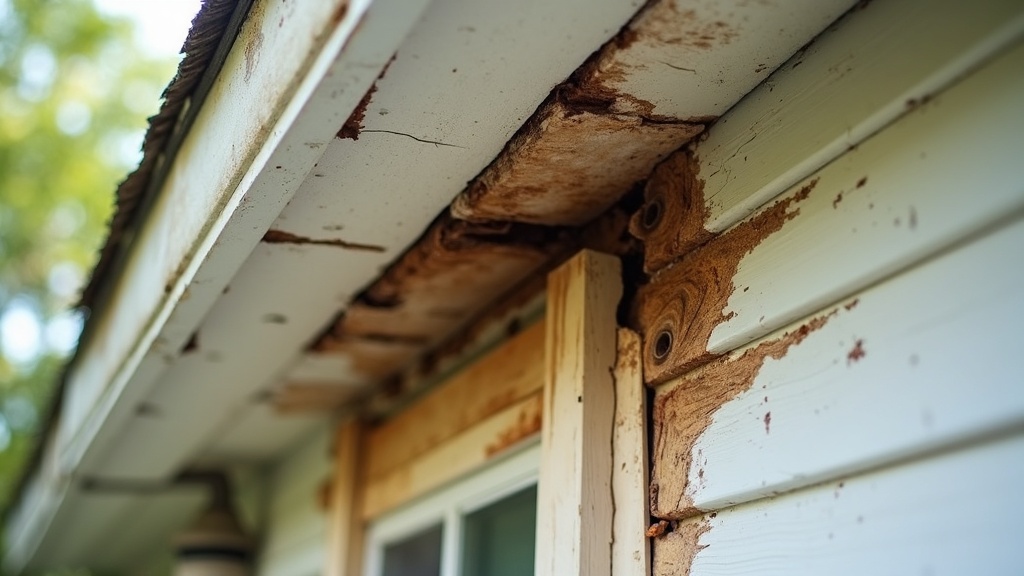
Denver sits a mile above sea level, and that single fact drives most of what goes wrong with soffit and fascia here. At 5,280 feet the atmosphere filters roughly 25 percent less ultraviolet radiation than it does at sea level, so vinyl soffit panels and painted fascia in Denver absorb a materially heavier UV load every year than identical materials on an identical house in Kansas City. Soffit Fascia Repair serves Denver homeowners across the metro area.
The city also sits in the heart of the Front Range hail corridor, one of the most expensive hail-damage zones in the United States, where a single afternoon storm can dent every north- and west-facing metal surface on a block. Denver's housing stock spans more than a century of building practice: 1880s and 1890s brick Victorians and Queen Annes in Capitol Hill and Baker with layered wood cornices, the distinctive Denver Square and Craftsman bungalows of Washington Park, Park Hill, and Congress Park, postwar ranches across the southwest quadrant, and the new construction filling in the northeast. What surprises homeowners moving here from wetter states is that rot is not the leading failure mode. Denver's humidity is low enough that wood-destroying decay stays confined to the specific spots where water concentrates and lingers. The damage that actually brings contractors out is impact, embrittlement, and movement.
What Denver Homeowners Actually Find on Inspection
Hail impact is the most common Denver finding, and it is frequently missed. Aluminum fascia wrap and metal drip edge dent visibly, while vinyl soffit panels that have grown brittle under high-altitude UV crack or shatter outright rather than absorbing the strike. The critical detail homeowners in Denver need to understand is that roofing crews responding to a hail claim are scoped to the roof — they replace shingles and often the gutters, but soffit and fascia damage sits just outside what many roof adjusters itemize. Homes across Park Hill and Berkeley routinely end up with a brand-new roof above eaves that were struck by the same storm and never addressed.
Ultraviolet degradation is the slow half of the problem. On south- and west-facing elevations, vinyl soffit chalks, fades, and loses impact resistance years earlier than the manufacturer's rating suggests, because those ratings are not written for mile-high UV exposure. Then there is movement. Denver's daily temperature swing routinely exceeds 40 degrees, and every one of those cycles expands and contracts long aluminum fascia runs, backing out fasteners and splitting sealant at the joints. Heavy, wet March and April snow loads the roof and builds ice dams at shaded north-facing eaves, forcing meltwater onto the top of the fascia. On the older wood cornices of Capitol Hill and Baker, that concentrated moisture is where Denver's limited rot problem actually shows up.
Neighborhoods We Serve in Denver
Soffit and fascia contractors serving Denver are available throughout the metro area and surrounding communities, including:
Beyond these neighborhoods, contractors cover the broader Denver metro area. If you're just outside the city limits in an unincorporated area of CO, call to confirm coverage. most Mountain West contractors extend their service area by 15–20 miles.
Soffit Fascia Repair also serves other CO communities, including Butte, Idaho Falls, Helena, Salt Lake City. Browse all our near-me service areas.
Services Available in Denver, Colorado
- Soffit Repair. spot fixes for damaged, sagging, or pest-damaged soffit panels
- Fascia Repair. fix rotted boards, address the water source, re-hang gutters correctly
- Soffit Replacement. full tear-off and new installation when the damage is system-wide
- Fascia Replacement. new boards with aluminum capping and drip edge
- Gutter Installation. seamless aluminum gutters sized for Denver's precipitation
What to Expect From the Free Inspection
When you call (855) 606-2187 and describe your situation, a Soffit Fascia Repair professional will schedule a free on-site inspection at your Denver home, typically within 24–48 hours. The inspector will:
- Examine the soffit, fascia, and gutter condition from the ground and from a ladder at the affected areas
- Identify the root cause of damage. not just the visible symptoms
- Document the damage with photos for your records
- Provide a written, itemized estimate before leaving the property
- Explain repair options clearly, including what happens if you delay
There is no obligation to book. The inspection and estimate are completely free, regardless of whether you hire the contractor.
Soffit & Fascia Repair Cost in Denver
Denver pricing runs above the national benchmark, reflecting Front Range labor costs and the two- and three-story lots common in the older neighborhoods. Historic homes in Capitol Hill, Baker, and the Highlands with layered wood cornices price well above a standard panel job, because matching original profiles is carpentry rather than a swap. One timing factor is specific to this market: after a significant hail event, demand across the metro spikes and both scheduling and pricing tighten for months. If your roof is already being replaced under a hail claim, having the eaves inspected at the same time is usually the cheaper path.
Typical ranges for Denver and the surrounding Mountain West area:
| Service | Typical Range in Denver |
|---|---|
| Soffit spot repair | $300–$800 |
| Fascia board replacement (per board) | $200–$500 |
| Full soffit replacement (per side) | $700–$1,500 |
| Full perimeter. average home | $2,000–$5,000 |
Frequently Asked Questions — Denver, CO
My roof was replaced after a hailstorm, so why is my soffit and fascia still damaged?
This is one of the most common situations Denver homeowners run into, and it is not an oversight on your part. A hail claim is typically scoped around the roof itself — shingles, underlayment, flashing, and often the gutters. Soffit and fascia sit just outside that scope on many adjusters' itemizations, so the crew that replaced your roof had no line item covering the eaves and did not touch them. Meanwhile the same stones that bruised your shingles struck the aluminum fascia wrap and the vinyl soffit panels underneath, denting the metal and cracking vinyl that high-altitude UV had already made brittle. The result is a new roof sitting above damaged eaves, which is exactly what we see on homes across Park Hill and Berkeley after a big storm season. If your claim is still open, damage to soffit and fascia can often be documented and added. If it has closed, a written estimate that identifies the storm-related damage separately is the right starting point for a supplemental claim.
Denver is so dry — do I actually need to worry about my soffit and fascia rotting?
Much less than a homeowner in Seattle or Houston does, and that genuinely changes what to look for. Denver's semi-arid climate does not keep wood at the sustained moisture level that decay fungi need, so you will not see the broad, creeping rot common in humid markets. What you get instead is highly localized decay in the few places where water concentrates and cannot drain: behind a gutter that has pulled loose, at the top of a fascia board where a spring ice dam forced meltwater under the shingles, and in the layered wood cornices of older Capitol Hill and Baker homes where a detail traps moisture. The bigger risks here are different problems altogether. Intense UV at 5,280 feet embrittles vinyl soffit until it cracks under hail, and the 40-degree daily temperature swing works fasteners loose along long fascia runs. So the honest answer is that Denver eaves fail from impact, sun, and movement far more often than from rot — but the rot that does occur is concentrated and easy to miss until a board is soft.
When is the best time of year to have soffit and fascia work done in Denver?
Late spring through early fall is the practical working window, but the timing that actually saves Denver homeowners money is tied to hail rather than the calendar. Front Range hail season runs roughly from April into September, with the heaviest activity in May, June, and July. Booking work in April or early May means you may have it done just in time for a storm to damage it again, while waiting until after the season has passed puts you into the post-storm demand surge, when every contractor in the metro is backed up and both scheduling and pricing tighten for months. Two approaches work well. If your eaves are sound, late summer or early fall — after the main hail threat has passed but before winter — is the cleanest window. If you are already having a roof replaced under a hail claim, do the eave work at the same time, since the access and mobilization are already paid for. Winter work is possible in Denver given how many clear, dry days the city gets, but ice and snow on the roof edge limit safe access and can stretch a project out.
Is soffit repair covered by homeowners insurance in CO?
Storm damage. wind, hail, and falling tree limbs. is typically covered under standard homeowners policies in Colorado. Long-term moisture damage and pest damage are usually excluded as maintenance issues. Contractors document damage thoroughly to support insurance claims when applicable.
How long does a Denver soffit repair typically take?
Most spot repairs take 2–4 hours. Full section replacement on one side of the home takes a full day. Full perimeter replacement takes 2–3 days. You'll receive a specific timeline in the written estimate before work begins.