Why Lake Worth Beach Homeowners Need Specialized Soffit & Fascia Service
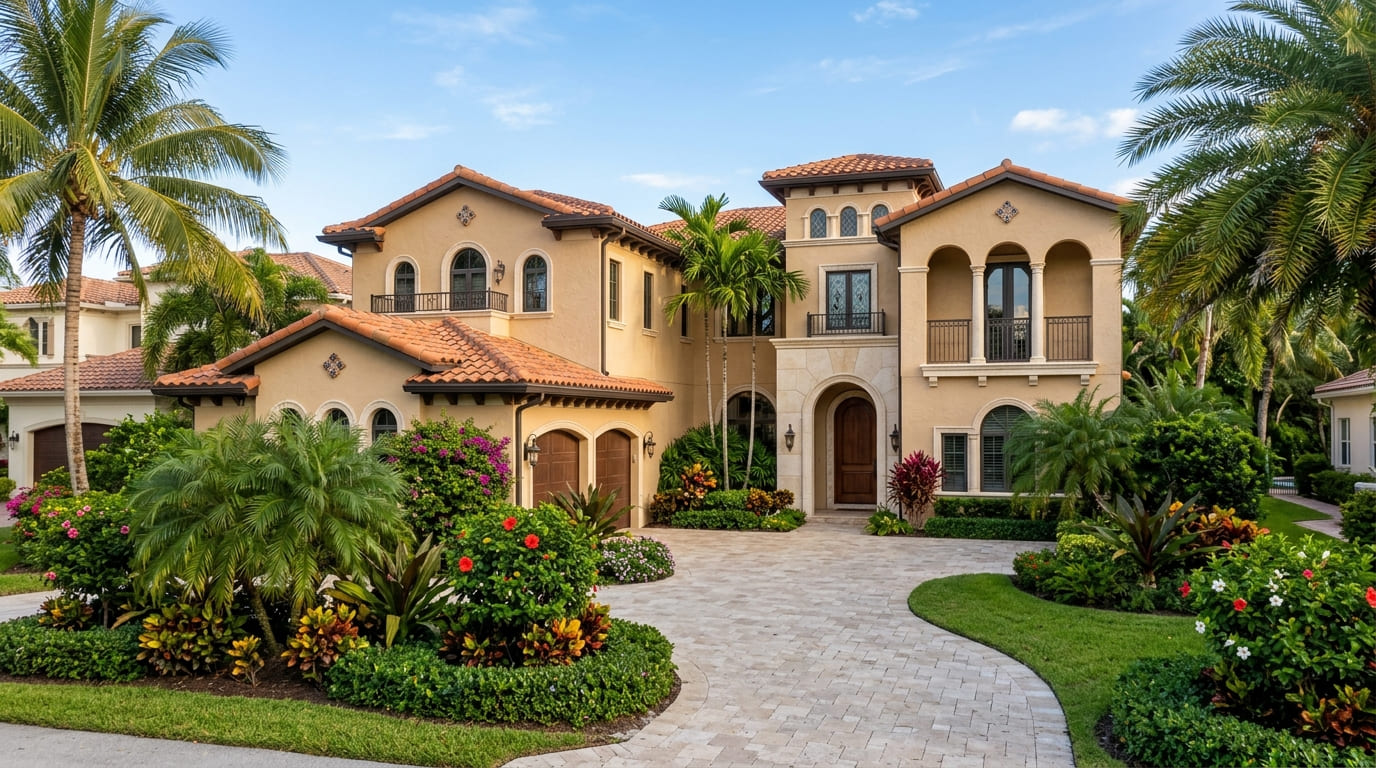
We repair and replace soffit and fascia for Lake Worth Beach homeowners across the city. On a historic home, the aim is often to preserve the original profile, repair what can be saved and replace only what has failed. Common signs include peeling paint, soft wood at the ends of rafter tails, sagging soffit and staining below the eave. Nearby West Palm Beach, Boynton Beach and Delray Beach share the county climate.
What Lake Worth Beach Homeowners Find on Inspection
Repairing these details takes care. A rotted tail end can often be cut back to sound wood and repaired with a matching piece instead of replacing the whole rafter, and a section of fascia can be milled to match the existing profile. Salt air from the coast and the Intracoastal speeds corrosion on any metal fasteners and flashing. Because the city has local historic preservation review in designated districts, exterior changes to a protected home may need approval before work begins. Check with the city for your address, and tell us when you call so the estimate reflects it. Humidity and daily summer rain keep exposed wood damp, which is why early repair matters.
- Historic bungalows with original wood fascia and exposed rafter tails — a primary roofline damage driver in Lake Worth Beach and Palm Beach County
- Local historic preservation review in designated districts — a primary roofline damage driver in Lake Worth Beach and Palm Beach County
- Atlantic and Intracoastal salt exposure — a primary roofline damage driver in Lake Worth Beach and Palm Beach County
In Lake Worth Beach the details that give the houses their character are the same details that fail. Exposed rafter tails take sun and rain on their end grain, paint has built up over decades and holds the shape of wood that has gone soft inside, and decorative brackets add joints where water enters. Salt from the coast and the Intracoastal then attacks the fasteners and flashing holding it all together. A repair that only covers the paint lasts a season or two.
Neighborhoods We Serve in Lake Worth Beach
We serve Lake Worth Beach proper and the surrounding Palm Beach County communities, including:
Lake Worth Beach covers the historic districts of College Park, Northeast Lucerne and Old Lucerne, the downtown core, and neighborhoods to the west with later ranch housing. Homes in designated historic districts need to follow the city's preservation review, while homes elsewhere follow standard rules. Tell us your street when you call and we will check which applies before we quote.
That coverage area takes in the smaller communities around Lake Worth Beach as well. Homeowners in Lantana, Palm Springs, Greenacres, West Palm Beach, South Palm Beach and Atlantis are all inside the standard service radius, and the same soffit and fascia board repair work is available in each — the roofline problems in these outlying areas are usually identical to what shows up in Lake Worth Beach itself, since they share the same Palm Beach County climate and much of the same era of housing stock.
Soffit Fascia Repair also serves nearby South Florida communities, including Miami, Fort Lauderdale, Boca Raton, West Palm Beach, Pompano Beach. See all our Florida service areas.
Services Available in Lake Worth Beach, FL
- Soffit Repair. repair or match original wood soffit and beadboard on 1920s and 1930s homes, preserving the profile where possible
- Fascia Repair. cut back rotted rafter tails to sound wood and splice in matching pieces, instead of replacing the whole rafter
- Soffit Replacement. replacement only where the historic profile is already lost, using the closest matching material
- Fascia Replacement. milled wood or PVC fascia matched to the existing profile and bracket details
- Gutter Installation. gutters and drainage that protect exposed rafter tails without altering the historic roofline
After a Storm: What to Check on a Historic Lake Worth Beach Roofline
Lake Worth Beach's 1920s and 1930s homes were built long before modern wind standards, and their exposed rafter tails and deep eaves catch the wind. After a named storm, check the rafter tails and brackets first, since that is where historic roofs show damage a modern roof would not have.
- Rafter tails that are cracked, split or visibly out of line with their neighbors.
- Decorative brackets that have loosened, shifted or pulled away from the wall.
- Fascia boards with peeling paint and dark staining where the paint is holding rotted wood in place.
- Flashing or fasteners streaked with rust, since salt has attacked them.
- Wood beadboard soffit that has cracked, bowed or lifted at the seams.
Take dated photos and leave damaged historic pieces in place until they have been documented, since original material can often be repaired and a record helps with both insurance and any city review. Notice of a new claim is due within one year of the damage under current Florida rules, and a hurricane deductible is a percentage of dwelling coverage. If your home is in a designated historic district, tell us before any repair so the estimate reflects it.
Soffit & Fascia Repair Cost in Lake Worth Beach
Historic roofline repair in Lake Worth Beach is more labor-intensive than standard replacement, because preserving an original profile means repairing and matching rather than swapping in stock material. A written estimate should separate wood repair, milling or matching, painting and access so you can see where the cost comes from. If your home is in a designated district, allow time for any review. Homes outside the historic districts follow standard Palm Beach County pricing.
| Service | Typical Lake Worth Beach Range |
|---|---|
| Soffit spot repair | $400–$1,000 |
| Fascia board replacement | $300–$800 |
| Full soffit replacement (per side) | $950–$1,900 |
| Full perimeter, average Lake Worth Beach home | $2,600–$6,500 |
| Rafter tail repair (per tail) | $120–$350 |
| Milled matching fascia or bracket (per piece) | $120–$400 |
Can rotted rafter tails on my historic Lake Worth Beach home be repaired instead of replaced?
Often yes. If the rot is limited to the exposed end, the tail can be cut back to sound wood and repaired with a matching piece, which preserves the original framing and the look of the roofline. If the rot runs deep into the rafter, more extensive work is needed. A ladder-up inspection checks how far the damage goes, and the written estimate shows the options.
Do I need city approval to repair soffit and fascia on a historic home in Lake Worth Beach?
In a designated historic district, exterior changes may require review, particularly if the work changes the profile or materials. Straight repairs that preserve the existing look are often simpler than replacement with different materials. Contact the city's planning or building office to confirm what applies to your address, and let us know when you call so we can plan the estimate.
How much does soffit and fascia repair cost in Lake Worth Beach, FL?
Spot repairs in Lake Worth Beach typically run $400–$1,000, and a full perimeter replacement on an average home runs $2,600–$6,500. Historic work is labor-heavy, since repairing an original profile costs more than swapping in stock material. Rafter tail repair often runs $120–$350 per tail, and milling a matching piece $120–$400. We separate wood repair, matching and painting so you can see where the cost comes from.
How does salt air affect old wood trim in Lake Worth Beach?
Salt does not rot wood directly, but it corrodes nails, brackets and flashing, and it works into the grain at cut ends and weakens paint. On an old home, rusted fasteners let boards shift and let water in, and the wood behind the paint stays damp. Stainless or coated fasteners and sealed end grain are the practical defense.
Will insurance cover storm damage to the historic trim on my Lake Worth Beach home?
Wind damage from a named storm is usually covered, subject to your deductible, though some policies treat older homes differently. Rot built up over decades is treated as maintenance. The reporting window for a new claim in Florida is one year from the date of loss. Photos of damaged historic pieces before removal help support the claim.
What materials can be used to repair historic trim in Lake Worth Beach?
Wood is the first choice where the profile must be preserved, with sound sections spliced and new pieces milled to match. Rot-resistant PVC or composite can sometimes match a profile where review allows it, and it holds up better than wood in damp conditions. Aluminum capping is usually not appropriate on historic fascia. We confirm what the city allows before ordering.
When should Lake Worth Beach owners of historic homes schedule an inspection?
Before hurricane season starts on June 1, and before any repaint, since fresh paint can hide soft wood. If your home is in a historic district, start early, because review can take time. Call when a named storm is over and it is safe to be up at the roof edge. Call us at (407) 708-9017 and we will walk through next steps.