Why Miami Homeowners Need Specialized Soffit & Fascia Service
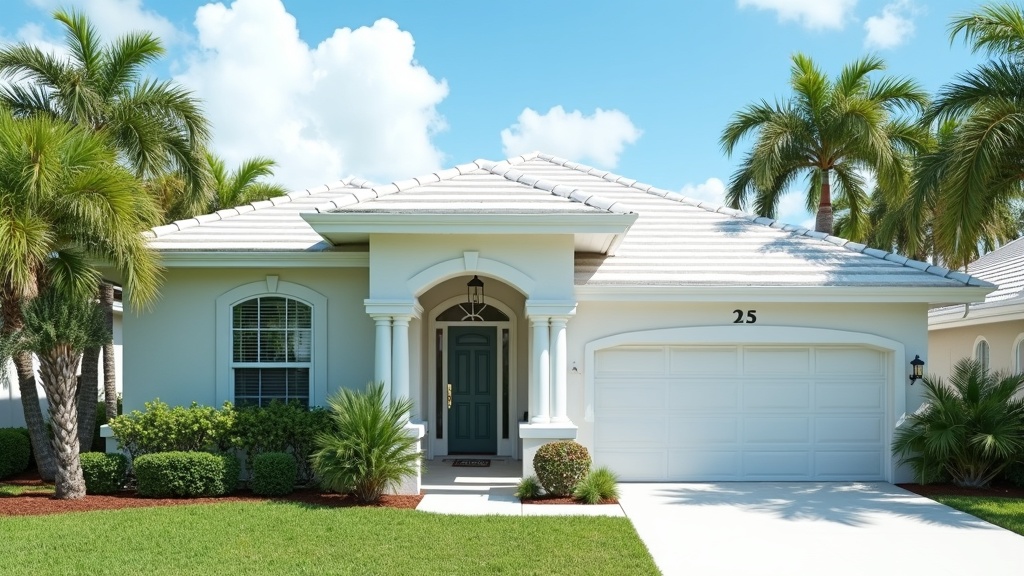
Soffit Fascia Repair also serves the surrounding Miami-Dade municipalities, including Homestead, Miami Gardens, Doral, Aventura, and North Miami — each with its own construction era and exposure profile within the same Miami-Dade hurricane and salt-air zone.
What Miami Homeowners Find on Inspection
- Extreme Atlantic and Biscayne Bay salt air — a primary roofline damage driver in Miami and Miami-Dade County
- Direct hurricane season exposure — a primary roofline damage driver in Miami and Miami-Dade County
- Year-round tropical humidity — a primary roofline damage driver in Miami and Miami-Dade County
In Miami the age of the house matters as much as the salt. Homes built before 1993 were fastened to rules that predate Hurricane Andrew, so their eave details hold on paint and habit as much as hardware, and on the bay side the salt corrodes whatever hardware is there. A roof edge in Coconut Grove can be hit by both problems at once, while one in Kendall faces mostly age and heat.
Neighborhoods We Serve in Miami
We serve Miami proper and the surrounding Miami-Dade County communities, including:
Miami is a large and varied market. Coral Gables and Coconut Grove have older homes and canopy, Brickell is mostly buildings with association-managed rooflines, Kendall is suburban and inland, and Hialeah and the western edge are older block neighborhoods. Tell us the neighborhood and the approximate year built when you call, because the repair plan changes with both.
That coverage area takes in the smaller communities around Miami as well. Homeowners in Brickell, Little Havana, Allapattah, West Miami and Virginia Gardens are all inside the standard service radius, and the same soffit and fascia board repair work is available in each — the roofline problems in these outlying areas are usually identical to what shows up in Miami itself, since they share the same Miami-Dade County climate and much of the same era of housing stock.
Soffit Fascia Repair also serves nearby South Florida communities, including Fort Lauderdale, Boca Raton, West Palm Beach, Pompano Beach, Coral Springs. See all our Florida service areas.
Services Available in Miami, FL
- Soffit Repair. replace corroded or fastener-starved panels, using marine-grade aluminum east of the Turnpike and standard coated aluminum inland
- Fascia Repair. probe and repair wood fascia on pre-1993 homes in Coral Gables and Coconut Grove, where paint hides soft boards
- Soffit Replacement. full replacement for older homes where the original eave fastening predates the post-Andrew standards
- Fascia Replacement. capped or PVC fascia, with product approvals that Miami-Dade's high-velocity hurricane zone requires
- Gutter Installation. gutters and downspouts sized for Miami's tropical downpours, with corrosion-resistant hardware near the bay
After a Storm: What to Check on a Miami Roofline
Hurricane Andrew in 1992 rewrote Miami-Dade's building rules, and many Miami homes were built before them. After any named storm, including ones that only brushed the county, walk the roofline looking for panels that moved and fasteners that backed out, because older eaves can loosen in a storm that never caused visible roof damage.
- Soffit panels sagging or shifted on the windward side, with a visible gap at the wall.
- Aluminum fascia capping peeled back or fasteners backed out of the rafter tails.
- Rust streaks on the wall beneath fasteners on bayfront and east-side homes.
- Gutters pulled from the fascia or crushed under fallen palm fronds and branches.
- Stains on ceilings along exterior walls, often the first sign of water behind the eave.
Take dated photos of each elevation. Miami-Dade is a high-velocity hurricane zone, so replacement materials generally need product approval and a permit may apply, and we flag both in the estimate. Florida currently gives one year from the date of loss to give notice of a new claim, and your declarations page shows your hurricane deductible in dollars.
Soffit & Fascia Repair Cost in Miami
Miami metro labor rates are among Florida's highest — typically 20–25% above statewide average. Marine-grade material is the correct specification for anything east of the Florida Turnpike given Biscayne Bay's salt influence. Scheduling lead times run 2–3 weeks for standard work; post-hurricane demand creates longer backlogs.
| Service | Typical Miami Range |
|---|---|
| Soffit spot repair | $450–$1,250 |
| Fascia board replacement | $320–$820 |
| Full soffit replacement (per side) | $1,100–$2,300 |
| Full perimeter, average Miami home | $3,100–$7,600 |
| Marine-grade upgrade, east of the Turnpike (added) | $300–$800 |
What does pre-Andrew construction mean practically for Miami homeowners evaluating their soffit and fascia condition?
Homes built before 1994 in Miami-Dade were constructed under building codes that didn't require the hurricane clip connections, specific soffit fastening schedules, or minimum wind resistance ratings that the post-Andrew code mandated. In practice, this means the eave systems on pre-1994 Miami homes were designed for normal weather loading — not the 120+ mph sustained winds and wind-driven rain that a direct hurricane hit produces. These homes have survived based on not receiving a direct hit in the post-1994 period. The soffit and fascia on pre-Andrew homes should be inspected for fastener condition and retaining clip presence before hurricane season annually.
How far inland from Biscayne Bay does salt air measurably affect aluminum soffit in Miami?
The prevailing southeasterly sea breeze carries Biscayne Bay and Atlantic salt air 10–15 miles inland on most Florida summer days. Kendall and Hialeah neighborhoods at that distance see lower salt deposition than waterfront Brickell or Coconut Grove, but still experience accelerated aluminum coating degradation compared to equivalent homes in Orlando or Tampa's inland suburbs. For Kendall and Hialeah, standard aluminum is technically appropriate, but inspecting for coating degradation every 3–5 years (rather than every 5–7 years for truly inland Florida) is the right maintenance interval.
How much does soffit and fascia repair cost in Miami, FL?
Spot repairs in Miami typically run $450–$1,250, and a full perimeter replacement on an average home runs $3,100–$7,600. East of the Turnpike, marine-grade material adds roughly $300–$800 to a job. Miami labor rates are among the highest in Florida, and we list permits and access separately where they apply.
How far inland does salt air affect soffit in Miami?
Salt carries well beyond the waterfront on the sea breeze, so homes a mile or two inland still see rust at fasteners and pitting on thin aluminum. The effect fades toward Kendall and the western edge, where sun and humidity matter more. We use marine-grade material and stainless fasteners where the exposure justifies it and standard materials elsewhere.
Do Miami soffit and fascia repairs need a permit or special product approval?
Often, because Miami-Dade is in the high-velocity hurricane zone, where building products generally need a Miami-Dade Notice of Acceptance or an equivalent approval marked for use there. Whether a particular repair needs a permit depends on its scope and your municipality. We tell you what applies when we write the estimate.
Does insurance cover soffit and fascia damage after a hurricane in Miami?
Wind damage from a storm is usually covered, subject to your deductible, while corrosion and rot that built up over years are treated as maintenance. You have one year from the loss date to give notice of a new claim. A written estimate with photos helps your adjuster separate sudden damage from age.
When should Miami homeowners schedule an inspection?
Early in the spring, ahead of the June 1 start of hurricane season, and after any named storm once it is safe to be up at the roof edge. Homes built before 1993 are worth a close look even when nothing appears wrong. Ring (407) 708-9017 and we will plan a ladder-up look at your roofline.