Soffit & Fascia Repair Near Phoenix
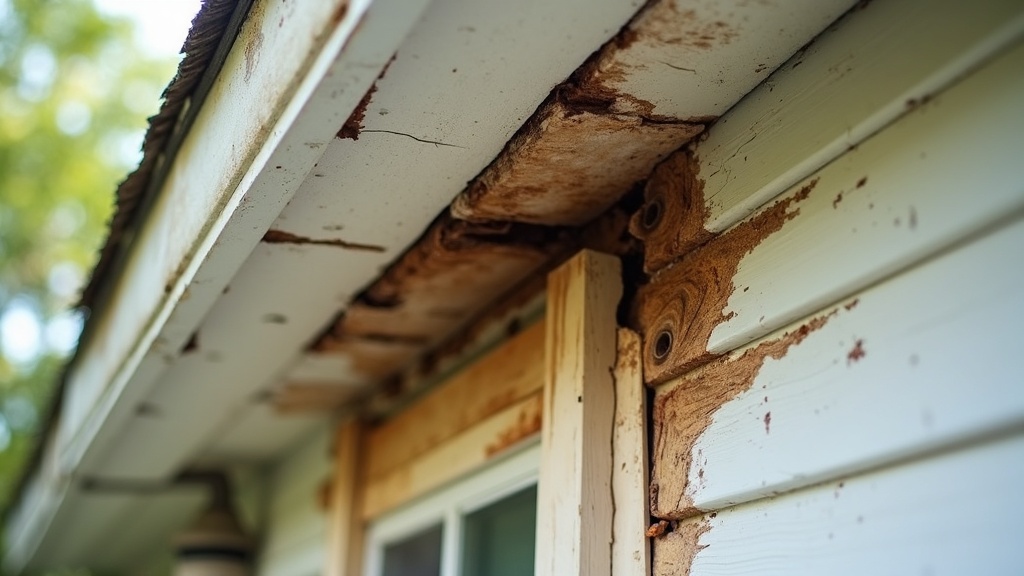
Phoenix subjects soffit and fascia to a thermal workload almost no other American city matches. Summer afternoons routinely exceed 110 degrees, attic temperatures behind the eave can climb past 150, and the daily swing between a scorching afternoon and a comparatively cool desert night moves every material on the roofline through a substantial expansion and contraction cycle every single day of the year. Soffit Fascia Repair serves Phoenix homeowners across the valley.
The city's housing tells two stories. In the historic central districts — Willo, Encanto, and the ranch homes of Arcadia and the Biltmore area — mid-century builders used deep, generous roof overhangs as deliberate passive shading, designed to keep the Arizona sun off the walls and windows during the hottest part of the day. Those wide eaves are a genuine architectural asset, and they carry original wood fascia that is now well past fifty years old. Out in Ahwatukee, Desert Ridge, and the newer perimeter subdivisions, the stock is 1990s and 2000s stucco and tile with shorter overhangs and builder-grade materials. Both face the same three forces: an ultraviolet load intense enough to break down polymers years ahead of their rated life, daily thermal cycling that never lets fasteners settle, and a summer monsoon that arrives with haboobs — the wall-of-dust storms that push fine particulate into every opening on the building.
What Phoenix Homeowners Actually Find on Inspection
Thermal movement is the defining Phoenix finding, and it explains the complaint contractors hear most often here: soffit and fascia that keep working loose in a city that barely rains. Aluminum fascia wrap expands and contracts measurably across a 35- to 40-degree daily swing, and over thousands of cycles that movement backs fasteners out, opens the seam where soffit meets fascia, and produces the visible waviness in long runs that homeowners describe as buckling. A repair that relies on sealant alone reopens within a season or two, because the underlying movement was never accommodated.
Monsoon dust is the second Phoenix-specific problem, and it matters more than it looks. A haboob drives fine desert particulate deep into vented soffit panels, and packed vents choke off the intake airflow that soffit venting exists to provide. In a climate where attic temperatures reach 150 to 160 degrees, losing that intake is not a minor issue — it drives attic heat higher, shortens roof material life from below, and pushes cooling costs up through the worst months of the year. Ultraviolet degradation runs alongside both: vinyl soffit chalks and grows brittle, and fascia paint fails early on south and west elevations. On the deep mid-century overhangs of Arcadia and Willo, that original wood fascia has been baking for half a century and is often the oldest untouched material on the house.
Neighborhoods We Serve in Phoenix
Soffit and fascia contractors serving Phoenix are available throughout the metro area and surrounding communities, including:
Beyond these neighborhoods, contractors cover the broader Phoenix metro area. If you're just outside the city limits in an unincorporated area of AZ, call to confirm coverage. most Southwest contractors extend their service area by 15–20 miles.
Soffit Fascia Repair also serves other AZ communities, including Sierra Vista, Tucson, Santa Fe, Alamogordo. Browse all our near-me service areas.
Services Available in Phoenix, Arizona
- Soffit Repair. spot fixes for damaged, sagging, or pest-damaged soffit panels
- Fascia Repair. fix rotted boards, address the water source, re-hang gutters correctly
- Soffit Replacement. full tear-off and new installation when the damage is system-wide
- Fascia Replacement. new boards with aluminum capping and drip edge
- Gutter Installation. seamless aluminum gutters sized for Phoenix's precipitation
What to Expect From the Free Inspection
When you call (855) 606-2187 and describe your situation, a Soffit Fascia Repair professional will schedule a free on-site inspection at your Phoenix home, typically within 24–48 hours. The inspector will:
- Examine the soffit, fascia, and gutter condition from the ground and from a ladder at the affected areas
- Identify the root cause of damage. not just the visible symptoms
- Document the damage with photos for your records
- Provide a written, itemized estimate before leaving the property
- Explain repair options clearly, including what happens if you delay
There is no obligation to book. The inspection and estimate are completely free, regardless of whether you hire the contractor.
Soffit & Fascia Repair Cost in Phoenix
Phoenix pricing runs near the national benchmark, with two local variables. Deep mid-century overhangs in Arcadia, Willo, and Encanto price above standard because the runs are long, the original wood needs carpentry rather than a panel swap, and the historic districts expect profile-matched work. Newer Ahwatukee and Desert Ridge homes with stucco eaves and tile roofs price differently again, since stucco patching and texture matching add labor. Timing is worth planning around: scheduling tightens sharply after monsoon storm events, and summer work on a west-facing elevation is limited to the early hours, which can stretch a project across more days than the labor hours suggest.
Typical ranges for Phoenix and the surrounding Southwest area:
| Service | Typical Range in Phoenix |
|---|---|
| Soffit spot repair | $300–$800 |
| Fascia board replacement (per board) | $200–$500 |
| Full soffit replacement (per side) | $700–$1,500 |
| Full perimeter. average home | $2,000–$5,000 |
Frequently Asked Questions — Phoenix, AZ
Why does my soffit and fascia keep coming loose in Phoenix when we barely get any rain?
Because the damage here is driven by heat and movement rather than water. Phoenix runs through a daily temperature swing of 35 to 40 degrees for much of the year, and aluminum fascia wrap expands and contracts with every one of those cycles. Multiply that across thousands of days and the effect is cumulative: fasteners work their way loose, the seam where the soffit meets the fascia opens up, and long runs develop the visible waviness that homeowners usually describe as buckling or oil-canning. Attic temperatures behind the eave climbing past 150 degrees in summer accelerate the whole process. This is also why a repair that just re-caulks the gap tends to fail within a season or two — the sealant is being asked to hold against a force that will keep working every day. The lasting fix is to fasten and detail the eave so it can move: correct fastener type and spacing, allowance for expansion at the joints, and flexible detailing instead of relying on caulk to bridge the gap.
Dust storms leave my soffit vents caked with fine dirt — does that actually cause any harm?
Yes, and in Phoenix the consequences reach further than most homeowners expect. Your soffit vents are the intake side of the attic ventilation system: air enters low at the eaves and exhausts high at the ridge, and that flow is what carries heat out of your attic. When a haboob drives fine desert particulate into those vents and packs the openings, the intake is throttled and the whole system stops working properly. In a climate where attic temperatures already reach 150 to 160 degrees in summer, losing intake airflow pushes them higher still. That extra heat shortens the life of roof decking and shingles from underneath, raises the cooling load on your air conditioning through the most expensive months of the year, and in some cases contributes to premature failure of the soffit panels themselves. Clearing packed vents is straightforward maintenance and worth doing after a heavy monsoon season. If the panels are also chalked and brittle from UV, it is usually the moment to look at replacing them with properly sized vented sections rather than just cleaning what is there.
My Arcadia home has deep original wood eaves — should I just replace them with modern panels?
Usually not, and the reason is functional as much as aesthetic. The generous overhangs on mid-century homes in Arcadia, Willo, and Encanto were not a styling flourish — builders sized them deliberately as passive shading, calculated to keep the high summer sun off the walls and windows during the hottest hours while still admitting lower winter light. That overhang is doing real work on your cooling load every summer, and shortening or boxing it in to accommodate a stock panel system gives up a benefit that is genuinely difficult to replace. There is also the character question, since those exposed rafter tails and wide soffits are the defining feature of the architecture and matter in the historic districts. The better approach on a home like yours is repair in kind: replacing the decayed or sun-destroyed sections of original wood, matching the existing profile, and correcting whatever let water or heat get at it. Where you do want lower maintenance, aluminum capping over sound wood fascia can work well, provided the wood underneath is dry and in good condition first — capping over decayed material simply hides the problem while it continues.
Is soffit repair covered by homeowners insurance in AZ?
Storm damage. wind, hail, and falling tree limbs. is typically covered under standard homeowners policies in Arizona. Long-term moisture damage and pest damage are usually excluded as maintenance issues. Contractors document damage thoroughly to support insurance claims when applicable.
How long does a Phoenix soffit repair typically take?
Most spot repairs take 2–4 hours. Full section replacement on one side of the home takes a full day. Full perimeter replacement takes 2–3 days. You'll receive a specific timeline in the written estimate before work begins.