Soffit & Fascia Repair Near Albuquerque
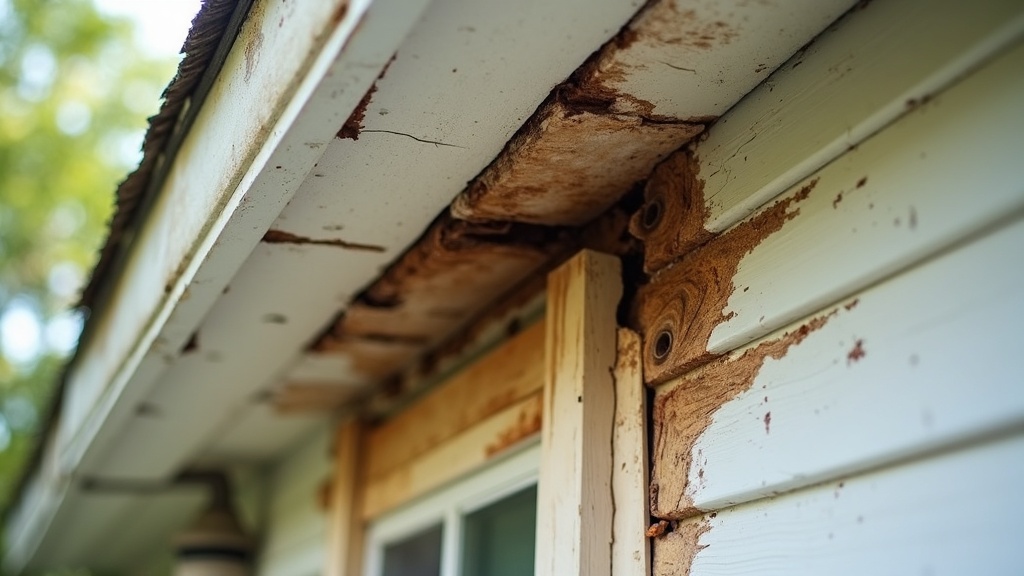
Albuquerque presents a roofline question most American cities never have to ask, because a large share of the housing stock does not have conventional eaves at all. Sitting at 5,300 feet in the high desert beneath the Sandia Mountains, the city's Pueblo Revival and Territorial homes are built with flat or low-slope roofs, parapet walls that rise above the roof plane, and canales — the projecting scuppers that drain the roof through the parapet. Soffit Fascia Repair serves Albuquerque homeowners across every part of the city.
That architecture means Albuquerque effectively has two separate conversations happening under the same heading. In Old Town, the North Valley, and the older streets around Nob Hill and Ridgecrest, the traditional stock has parapets, canales, and exposed vigas — the projecting roof beams that are the signature of the style — rather than the soffit-and-fascia assembly found elsewhere. Out in the Northeast Heights and Four Hills, the postwar and later subdivisions were built with conventional pitched roofs, overhangs, vented soffit, and fascia board exactly as you would find in Phoenix or Denver. Both types face the same climate: an extreme UV load at altitude, humidity low enough that general rot is rare, and a July-through-September monsoon that concentrates most of the year's rainfall into a handful of violent afternoon storms. The failure patterns, though, are completely different depending on which kind of roofline you own.
What Albuquerque Homeowners Actually Find on Inspection
On the flat-roof stock, the damage concentrates where the water concentrates. A canale funnels the entire drainage of a roof section through one small opening, so during a monsoon downpour it discharges a heavy, focused stream — and where the canale is undersized, cracked, or improperly flashed, that water runs back into the parapet wall and the roof edge instead of clearing the building. Vigas are the other classic Albuquerque finding. Where these projecting beams penetrate the wall, the end grain sits fully exposed to sun and driving rain, so they check, split, and decay at the penetration point, and the damage travels inward along the beam where nobody can see it.
On the conventional pitched-roof homes of the Northeast Heights, the problems look more familiar but run on a desert timetable. High-altitude ultraviolet exposure chalks and embrittles vinyl soffit panels on south and west elevations well ahead of schedule, and fascia paint fails early on the same exposures. The monsoon then delivers a year's worth of rain in a few weeks — often as wind-driven rain that gets pushed sideways into soffit vents and up under the drip edge, which a gentler rainfall never would. Because humidity is so low the rest of the year, decay here is sharply localized rather than widespread: it shows up behind a loose gutter, under a failed canale, or at a viga end, while the boards ten feet away stay sound.
Neighborhoods We Serve in Albuquerque
Soffit and fascia contractors serving Albuquerque are available throughout the metro area and surrounding communities, including:
Beyond these neighborhoods, contractors cover the broader Albuquerque metro area. If you're just outside the city limits in an unincorporated area of NM, call to confirm coverage. most Southwest contractors extend their service area by 15–20 miles.
Soffit Fascia Repair also serves other NM communities, including Santa Fe, Farmington, Alamogordo, Las Cruces. Browse all our near-me service areas.
Services Available in Albuquerque, New Mexico
- Soffit Repair. spot fixes for damaged, sagging, or pest-damaged soffit panels
- Fascia Repair. fix rotted boards, address the water source, re-hang gutters correctly
- Soffit Replacement. full tear-off and new installation when the damage is system-wide
- Fascia Replacement. new boards with aluminum capping and drip edge
- Gutter Installation. seamless aluminum gutters sized for Albuquerque's precipitation
What to Expect From the Free Inspection
When you call (855) 606-2187 and describe your situation, a Soffit Fascia Repair professional will schedule a free on-site inspection at your Albuquerque home, typically within 24–48 hours. The inspector will:
- Examine the soffit, fascia, and gutter condition from the ground and from a ladder at the affected areas
- Identify the root cause of damage. not just the visible symptoms
- Document the damage with photos for your records
- Provide a written, itemized estimate before leaving the property
- Explain repair options clearly, including what happens if you delay
There is no obligation to book. The inspection and estimate are completely free, regardless of whether you hire the contractor.
Soffit & Fascia Repair Cost in Albuquerque
Albuquerque pricing sits near or slightly below the national benchmark, generally under Denver and Phoenix. The variable that matters most here is which roofline you have. Conventional soffit and fascia work in the Northeast Heights prices in the standard range, while parapet, canale, and viga repair on Pueblo Revival and Territorial homes in Old Town and the North Valley is specialty carpentry and masonry work that prices considerably higher — a viga replacement in particular means working into the wall assembly. Scheduling tightens ahead of the July monsoon as homeowners move to get drainage details sound before the storms arrive.
Typical ranges for Albuquerque and the surrounding Southwest area:
| Service | Typical Range in Albuquerque |
|---|---|
| Soffit spot repair | $300–$800 |
| Fascia board replacement (per board) | $200–$500 |
| Full soffit replacement (per side) | $700–$1,500 |
| Full perimeter. average home | $2,000–$5,000 |
Frequently Asked Questions — Albuquerque, NM
My Albuquerque home has a flat roof with parapet walls — do I even have soffit and fascia?
In the traditional sense, often no, and that is a genuinely important distinction in this city. Pueblo Revival and Territorial homes — the stock you see throughout Old Town, the North Valley, and parts of Nob Hill — were built with flat or low-slope roofs behind parapet walls that rise above the roof surface, and they drain through canales, the projecting scuppers set through the parapet. There is no overhang, no vented soffit panel, and no fascia board running along an eave, because the whole roof edge is handled differently. What you have instead are the parapet cap and its flashing, the canale and its lining, and, on many homes, exposed vigas. Those elements do the same job the soffit and fascia do on a pitched roof, and they fail in their own ways — cracked canale linings, water tracking back into the parapet, and decay at the viga ends. If your home is in the Northeast Heights or another postwar subdivision, you likely do have a conventional pitched roof with real soffit and fascia. A quick look at your roof edge from the yard will tell you which you are dealing with.
The vigas on my Pueblo Revival home are cracking and splitting — is that a roofline problem I need to fix?
It depends on where the cracking is, and the distinction matters. Vigas are large solid timbers, and surface checking — the long, shallow splits that run with the grain along the exposed length — is normal seasoning behavior in Albuquerque's dry air and is not by itself a structural concern. What does need attention is the point where the viga passes through the wall. That end grain sits fully exposed to intense high-desert UV and takes the brunt of wind-driven monsoon rain, and end grain absorbs water far faster than the sides of the beam. Once moisture gets in at that penetration, decay can travel inward along the timber where you cannot see it, and the first visible symptom is often staining on the wall below or a soft, punky feel when the viga end is probed. Deep splits that open upward are the ones to worry about, because they collect and hold water. The usual fix combines cutting back and sealing the compromised end, restoring flashing at the penetration, and re-treating the exposed timber — not replacing the whole beam, unless the decay has already run well into the wall.
How often should Albuquerque homeowners have their roofline inspected?
Once a year is a sensible baseline in this climate, and the most useful time is right after the monsoon ends in late September or early October. Albuquerque concentrates most of its annual rainfall into that July-through-September window, so the monsoon is when drainage problems reveal themselves — and inspecting immediately afterward means you find them while the evidence, such as staining, water tracks, and washed-out sealant, is still visible. What gets checked depends on which kind of roofline your home has. On a flat-roof Pueblo Revival or Territorial house in Old Town or the North Valley, the priorities are canale condition and lining, parapet cap flashing, and the viga penetrations. On a conventional pitched roof in the Northeast Heights or Four Hills, it is the fascia board, the drip edge, gutter attachment, and the condition of vinyl soffit panels that have been taking high-altitude UV all year. Because humidity is so low here, problems tend to stay localized rather than spreading fast, which means an annual look is usually enough to catch them while they are still small and inexpensive.
Is soffit repair covered by homeowners insurance in NM?
Storm damage. wind, hail, and falling tree limbs. is typically covered under standard homeowners policies in New Mexico. Long-term moisture damage and pest damage are usually excluded as maintenance issues. Contractors document damage thoroughly to support insurance claims when applicable.
How long does a Albuquerque soffit repair typically take?
Most spot repairs take 2–4 hours. Full section replacement on one side of the home takes a full day. Full perimeter replacement takes 2–3 days. You'll receive a specific timeline in the written estimate before work begins.