Soffit & Fascia Repair Near Portland
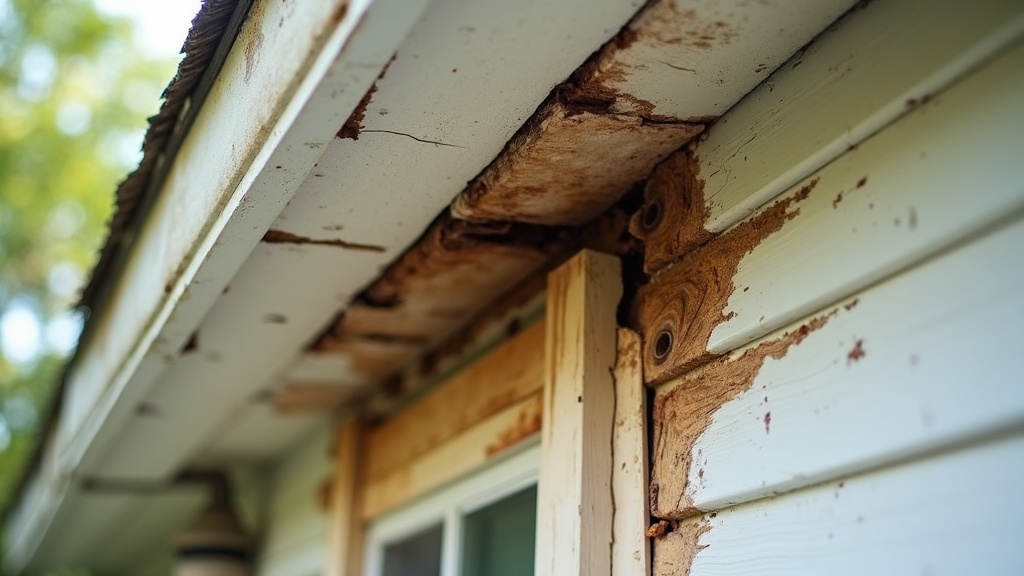
Portland's marine west coast climate creates a soffit and fascia challenge that is the near-opposite of the Sun Belt's — not sudden storm damage or intense heat, but a prolonged wet season that runs from October into June and keeps eave systems damp for months at a stretch, driving chronic wood rot, moss, and algae growth rather than acute failure. Soffit Fascia Repair serves Portland homeowners across all neighborhoods.
Alberta Arts, Sellwood, Hawthorne, and Laurelhurst carry Portland's beloved older housing — Craftsman bungalows, Old Portland Foursquares, and 1910s–1930s homes built largely from local old-growth Douglas fir, with deep eaves and exposed rafter tails that are architecturally central to the style and highly exposed to the weather. In Portland's climate, wood fascia and open eave framing spend the winter half of the year at high moisture content that never fully dries, and the region's persistent moss and algae take hold on north-facing fascia and shaded soffit surfaces, holding moisture against the wood and accelerating rot. Beaverton and the western suburbs add newer construction, but even there the marine climate keeps eave systems damp far longer between drying windows than anywhere in the interior West. The single defining fact of Portland eave maintenance is time-of-wetness — surfaces here simply stay wet longer than in almost any other US metro.
What Portland Homeowners Actually Find on Inspection
Chronic wood rot on Douglas fir fascia and exposed rafter tails is the defining Portland problem, and it concentrates on the older housing of Alberta Arts, Sellwood, and Laurelhurst where original old-growth fir eaves are architecturally exposed by design. Unlike storm-driven damage that announces itself, Portland rot develops slowly and quietly across the long wet season — a homeowner often first notices it when paint fails, a rafter tail end goes soft, or moss-lifted trim reveals punky wood underneath. North-facing and shaded elevations rot first and fastest because they never get the drying sun that the south side occasionally receives.
Moss and algae growth is the accelerant unique to the Pacific Northwest — Portland's persistent damp lets moss establish on fascia tops, in soffit vents, and along shaded eave lines, and the moss holds a reservoir of moisture against the wood long after rain stops, effectively extending the wet season for the surfaces it colonizes. Left in place it lifts paint, blocks soffit ventilation, and keeps fascia at rot-supporting moisture content year-round. Beaverton and western-suburb homes with less architectural eave exposure fare somewhat better, but even modern vinyl and aluminum soffit in Portland collects moss and algae in its shaded vents and channels far faster than in drier climates.
Neighborhoods We Serve in Portland
Soffit and fascia contractors serving Portland are available throughout the metro area and surrounding communities, including:
Beyond these neighborhoods, contractors cover the broader Portland metro area. If you're just outside the city limits in an unincorporated area of OR, call to confirm coverage. most Pacific Northwest contractors extend their service area by 15–20 miles.
Soffit Fascia Repair also serves other OR communities, including Eugene, Salem, Richland, Tacoma. Browse all our near-me service areas.
Services Available in Portland, Oregon
- Soffit Repair. spot fixes for damaged, sagging, or pest-damaged soffit panels
- Fascia Repair. fix rotted boards, address the water source, re-hang gutters correctly
- Soffit Replacement. full tear-off and new installation when the damage is system-wide
- Fascia Replacement. new boards with aluminum capping and drip edge
- Gutter Installation. seamless aluminum gutters sized for Portland's precipitation
What to Expect From the Free Inspection
When you call (855) 606-2187 and describe your situation, a Soffit Fascia Repair professional will schedule a free on-site inspection at your Portland home, typically within 24–48 hours. The inspector will:
- Examine the soffit, fascia, and gutter condition from the ground and from a ladder at the affected areas
- Identify the root cause of damage. not just the visible symptoms
- Document the damage with photos for your records
- Provide a written, itemized estimate before leaving the property
- Explain repair options clearly, including what happens if you delay
There is no obligation to book. The inspection and estimate are completely free, regardless of whether you hire the contractor.
Soffit & Fascia Repair Cost in Portland
Portland pricing runs 10–15% above the national benchmark, reflecting the higher labor and material costs of the West Coast market. Older Alberta Arts, Sellwood, and Laurelhurst homes with old-growth Douglas fir fascia and exposed rafter tails price above standard replacement given the custom-profile and rafter-tail repair work these Craftsman eaves require. The dry-season window from July into September is peak demand — Portland eave work is best done in the short reliably-dry months, so scheduling ahead of summer typically secures a better slot.
Typical ranges for Portland and the surrounding Pacific Northwest area:
| Service | Typical Range in Portland |
|---|---|
| Soffit spot repair | $300–$800 |
| Fascia board replacement (per board) | $200–$500 |
| Full soffit replacement (per side) | $700–$1,500 |
| Full perimeter. average home | $2,000–$5,000 |
Frequently Asked Questions — Portland, OR
Why does Portland cause so much more fascia rot than cities with heavier annual rainfall?
It's not the total rainfall — it's how long surfaces stay wet, a factor called time-of-wetness. Some cities get more total inches of rain than Portland but in intense bursts followed by drying sun. Portland's marine west coast climate delivers a prolonged, gentle wet season that runs roughly October through June, keeping fascia and eave framing damp for months with few real drying windows. Wood rot fungi need sustained moisture to grow, and Portland provides exactly that — long, uninterrupted stretches above the moisture threshold. The effect is worst on north-facing and shaded eaves that never catch drying sun, and it's compounded by moss and algae that hold their own moisture reservoir against the wood. So a Portland fascia board can rot faster than one in a rainier-but-sunnier climate simply because it stays wet longer.
Is the moss growing on my Portland soffit and fascia actually causing damage, or is it just cosmetic?
It's causing damage, not just an appearance issue. Moss and algae on fascia tops, in soffit vents, and along shaded eave lines act like a sponge — they hold moisture against the wood long after the rain stops, effectively extending Portland's already-long wet season for the surfaces they colonize. Over time this lifts and fails paint, keeps the wood at rot-supporting moisture content year-round, and clogs soffit ventilation, which reduces the attic airflow that would otherwise help eaves dry. Removing established moss and restoring soffit ventilation is part of protecting the eave system, not just cleaning it up. On older Craftsman homes with exposed rafter tails, moss left in place is one of the most common reasons sound-looking fir trim turns out to be soft underneath.
Is soffit repair covered by homeowners insurance in OR?
Storm damage. wind, hail, and falling tree limbs. is typically covered under standard homeowners policies in Oregon. Long-term moisture damage and pest damage are usually excluded as maintenance issues. Contractors document damage thoroughly to support insurance claims when applicable.
How long does a Portland soffit repair typically take?
Most spot repairs take 2–4 hours. Full section replacement on one side of the home takes a full day. Full perimeter replacement takes 2–3 days. You'll receive a specific timeline in the written estimate before work begins.