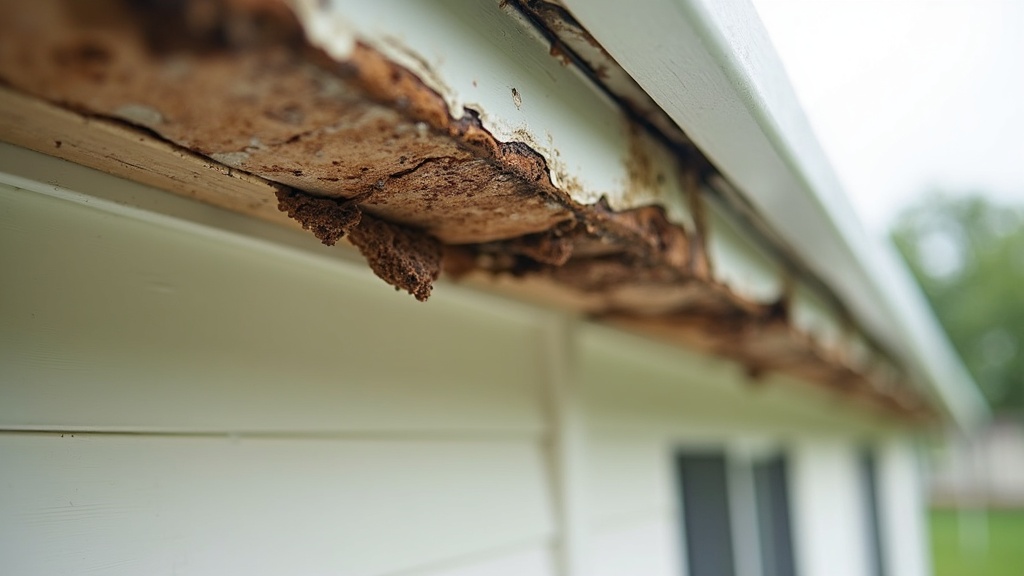
Soffit is one of those home components that most people never think about. until something goes wrong. The problem with that approach is that soffit issues don't announce themselves with obvious interior flooding or immediate structural collapse. They develop gradually, often hidden from casual view, until enough damage has accumulated that what started as a $400 repair becomes a $3,000 project involving rafter replacement and moisture remediation.
The good news: soffit gives you plenty of warning before it reaches that point. You just have to know what you're looking for and take it seriously when you see it. Here are the seven warning signs that mean a professional inspection is needed. soon, not eventually.
Sign 1: Visible Sagging or Detached Sections
This is the most obvious sign and the one homeowners are most likely to notice. Soffit panels that are drooping, pulling away from the fascia board at the eave edge, or visibly separating from the wall of the house are indicating one of three problems: the nailing channel has rotted and can no longer hold the panels; the fasteners have failed due to rust or improper original installation; or wind damage has pulled the panels loose from their channels.
A sagging soffit panel is not just cosmetic. The gap it creates. even a small one at the edge. is an open door for squirrels, birds, bats, and wasps to enter your attic. It's also a direct entry point for water during rain events. Once an animal has entered through a soffit gap and established a nest, the damage compounds rapidly.
What to do: Don't push the panel back up and hope for the best. If the nailing channel behind it has rotted, the panel will fall again. Schedule a professional inspection to assess whether this is an isolated panel failure or a symptom of a broader moisture problem in the eave.
Sign 2: Peeling or Bubbling Paint
On wood soffit panels, peeling or bubbling paint is almost always caused by moisture accumulation behind the panel face. The wood absorbs water. from gutter overflow, ice dam melt, or condensation from inadequate attic ventilation. and the paint lifts as the moisture tries to escape.
Paint failure on soffit is worse than it looks. The surface peeling you can see represents moisture that has already worked its way through the paint layer. The wood behind that paint has been wet repeatedly, and rot may have already begun in areas you can't see from the ground. Repainting over peeling wood soffit without addressing the moisture source is wasted money. the paint will fail again within a season for exactly the same reason.
What to do: Don't repaint until the moisture source is identified and corrected. Have the soffit and gutter system inspected first. If the gutters are overflowing, clean and realign them. If the paint is failing on a north-facing or heavily shaded elevation, improved attic ventilation may be the underlying fix.
Sign 3: Holes, Gaps, or Chewed Edges
Any opening in your soffit. whether from a woodpecker, a squirrel that chewed through the edge, or a section that has simply deteriorated. needs immediate attention. Squirrels can enter through openings as small as a dime. Starlings need a slightly larger gap but will exploit any opening reliably. Wasps build nests inside soffit cavities in a single season and are notoriously difficult to remove once established.
The timing matters. If a squirrel entered your attic through a soffit gap in late September or October, she may have already birthed a litter. Closing the gap without first confirming the attic is clear seals animals inside, which is both inhumane and creates a larger problem when the animal (or decomposing remains) damages insulation and wiring.
What to do: Schedule an inspection that includes an attic check. A contractor can seal all entry points. not just the visible one. and verify the attic is clear before closing the system. Pest exclusion is best done in late summer or early fall before animals are seeking winter shelter.
Sign 4: Dark Staining or Discoloration
Dark streaking or staining on soffit panels. particularly running from the eave down toward the wall. indicates water has been traveling across or through the soffit surface repeatedly. This staining pattern shows you exactly where the water is flowing, and it means moisture has been doing so for long enough to leave a visible trace.
The staining itself isn't the damage. it's the indicator of ongoing moisture contact that's causing damage you can't see from the ground. Behind the stained panels, the nailing channel may be rotting. The fascia above may be deteriorating. The framing may be accumulating moisture.
What to do: Note where the staining is concentrated relative to your gutter runs and downspout locations. Often the staining traces directly to a specific gutter section that's clogged, improperly pitched, or overflowing. Have the full system. gutters, soffit, and fascia. inspected together.
Sign 5: Water Stains on Interior Ceilings Near Exterior Walls
This one surprises homeowners because they don't connect soffit to interior ceiling staining. But water that enters through a gap in the soffit doesn't necessarily appear immediately below the entry point on the interior. It travels along the framing. joists and blocking. before finding a place to drip through the ceiling surface. The visible interior stain may be a foot, three feet, or even six feet from the actual entry point in the soffit.
Most homeowners who discover ceiling staining near an exterior wall assume it's a roof leak. Sometimes it is. But soffit and fascia leaks are significantly more common than active roof leaks on homes where the shingles are in good condition. A contractor who only inspects the roof and dismisses soffit as fine. without getting on a ladder to check the eave. may send you to a roofer for a problem that doesn't exist there.
What to do: Have the full exterior inspection done from a ladder, not just a ground-level look. The specific location of the interior staining relative to your roofline will help narrow the search. Ask explicitly whether the inspector checked the soffit and fascia from close range.
Sign 6: Gutters Pulling Away From the House
Gutters attach to fascia boards. When fascia rots, gutter hangers lose their purchase and gutters begin to sag, tilt away from the house, or detach entirely at one end. A gutter pulling away from the fascia isn't just a gutter problem. it's evidence that the fascia behind the gutter has been compromised.
Homeowners often hire a gutter contractor to re-hang the gutter without investigating why it came loose in the first place. Screwing a new hanger into rotted fascia fixes the gutter for 6–12 months before the same failure repeats. The correct repair is fascia replacement first, then gutter re-hanging with proper hardware.
What to do: Before rehiring anyone just to put the gutter back up, have the fascia inspected. If the fascia is soft when probed. the wood yields under pressure rather than resisting. it needs replacement before the gutter goes back on. Address the cause, not just the symptom.
Sign 7: Ice Dams Along the Roofline in Winter
Ice dams are the winter equivalent of the canary in the coal mine for soffit and attic ventilation systems. They form when warm air from a poorly insulated or under-ventilated attic melts snow on the upper portion of the roof, which then flows down and refreezes at the cold eave. The ice dam backs up liquid water under the shingles, which enters the attic and eventually appears as ceiling staining.
While ice dams can have multiple causes. poor attic insulation, insufficient ridge venting. blocked or missing soffit vents are a primary contributor. If your soffit vents are clogged with blown insulation (pushed over the vents from inside the attic) or your soffit doesn't have adequate perforated ventilation area, the soffit system is contributing to your ice dam problem.
What to do: Address ice dams as a whole-system problem. Have an attic inspection done to confirm that soffit vents are open and free of insulation blockage. A contractor who replaces or improves soffit can ensure that vented panels are correctly positioned and that attic baffles are installed to maintain airflow even with deep insulation.
When to Call a Professional
Any one of these seven signs warrants a professional inspection. They're not maintenance items that can wait until next spring. they indicate that a problem is actively in progress, and in most cases the damage is growing faster than you might assume.
A free inspection from a Soffit Fascia Repair professional will tell you exactly what you're dealing with, how urgent it is, and what it will cost to fix. That information costs nothing to get and allows you to make a rational decision based on what's actually happening with your home. not what you hope is happening.
How do I check my soffit if I can't see it well from the ground?
The best view of your soffit is from a ladder positioned safely at the eave. If you're not comfortable on a ladder at roof height, this is exactly what a professional inspection is for. a Soffit Fascia Repair professional climbs to the level of the damage and gives you a specific, close-range assessment rather than a guess from the driveway.
Can I patch a sagging soffit panel myself?
You can push a sagging panel back up, but if you don't address the nailing channel rot or fastener failure that caused it to sag, it will sag again. DIY soffit patch work that doesn't diagnose the root cause is temporary at best. At worst, it gives you a false sense that the problem is solved while the underlying moisture damage continues.
How expensive is soffit repair?
Spot repairs for isolated damage run $300–$900 in most markets. Full section replacements. one side of the house. run $700–$1,500. Full perimeter replacement on an average home is $2,000–$5,000. The free inspection gives you a specific number for your situation before any money changes hands.
What's the fastest sign of soffit failure to look for?
Walk the perimeter of your home in the morning after rain and look up at the eaves. Look for: visibly drooping panels, any dark streaking running down from the eave, and any visible gaps between the panel edge and the fascia board above. These three signs take 5 minutes to check and will reveal most active soffit problems.
How soon does soffit damage need to be repaired?
Urgency depends on the sign. Open holes or gaps with evidence of animal activity: inspect within 1–2 weeks. Active water staining on interior ceilings: inspect as soon as possible. water damage compounds with every rain event. Visible sagging or detached panels: inspect within 1–4 weeks before wind causes further detachment.